
Discover Nepal.
Live the Journey.
From Everest's shadow to the jungles of Chitwan — handcrafted treks and tours led by the people who call these trails home.
Popular Destinations
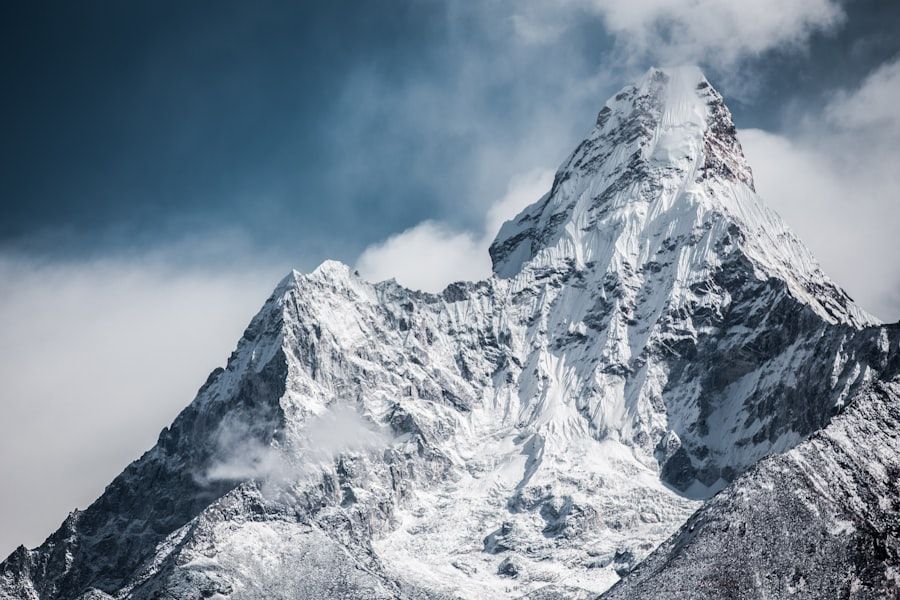
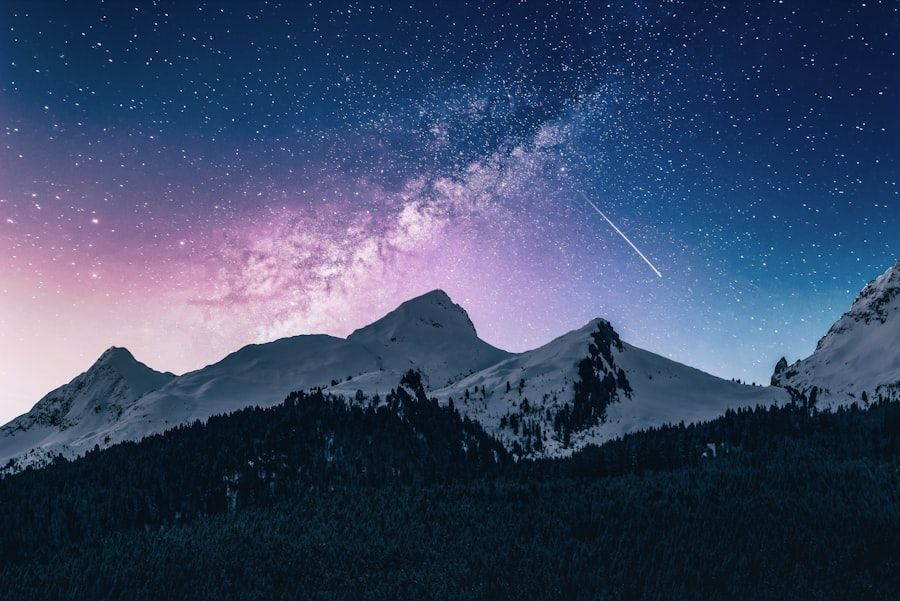
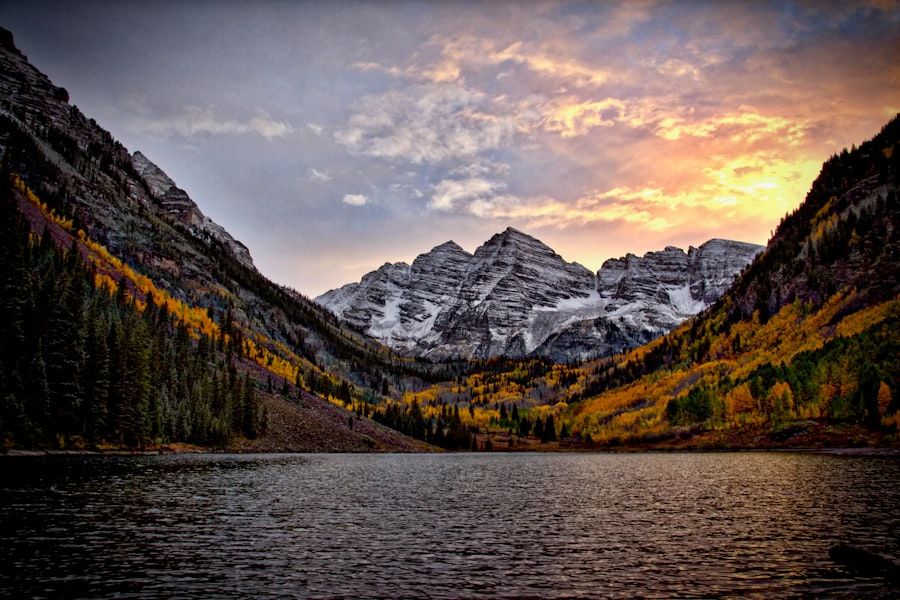
Featured Treks & Tour Packages
Not sure where to go?
Get inspired.
Stories, guides and route notes from twelve years on Nepal's trails — written by our guides, not marketers.
Why Travel with Us?

Health & Well-being on the Trail
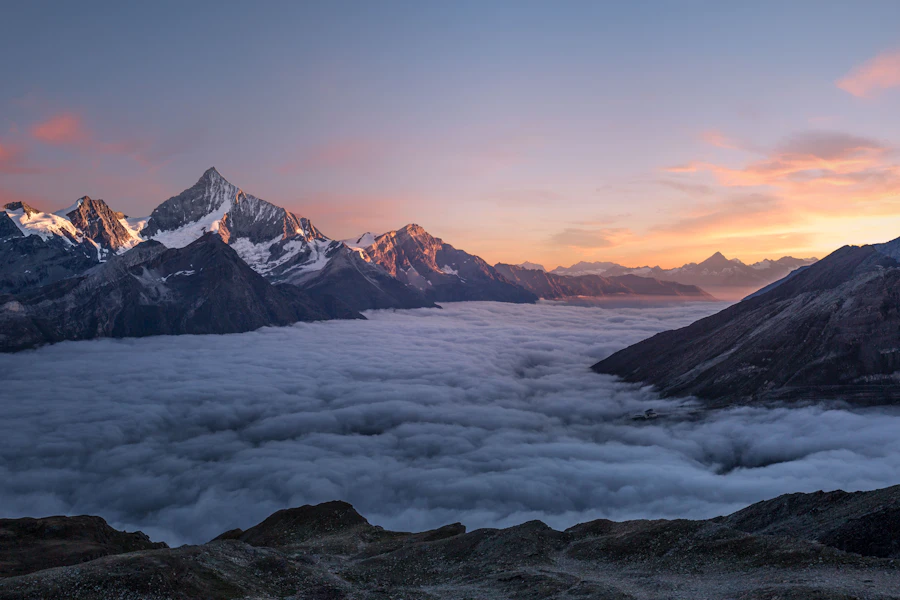
Every itinerary is built around gradual altitude acclimatization — never more than 500m of sleeping-altitude gain per day above 3,000m, with rest days at Namche and Manang. We brief you on fitness prep three months out, require comprehensive travel insurance with heli-evacuation cover, and our guides carry oximeters and first-aid kits on every departure.
Wellness & Healing
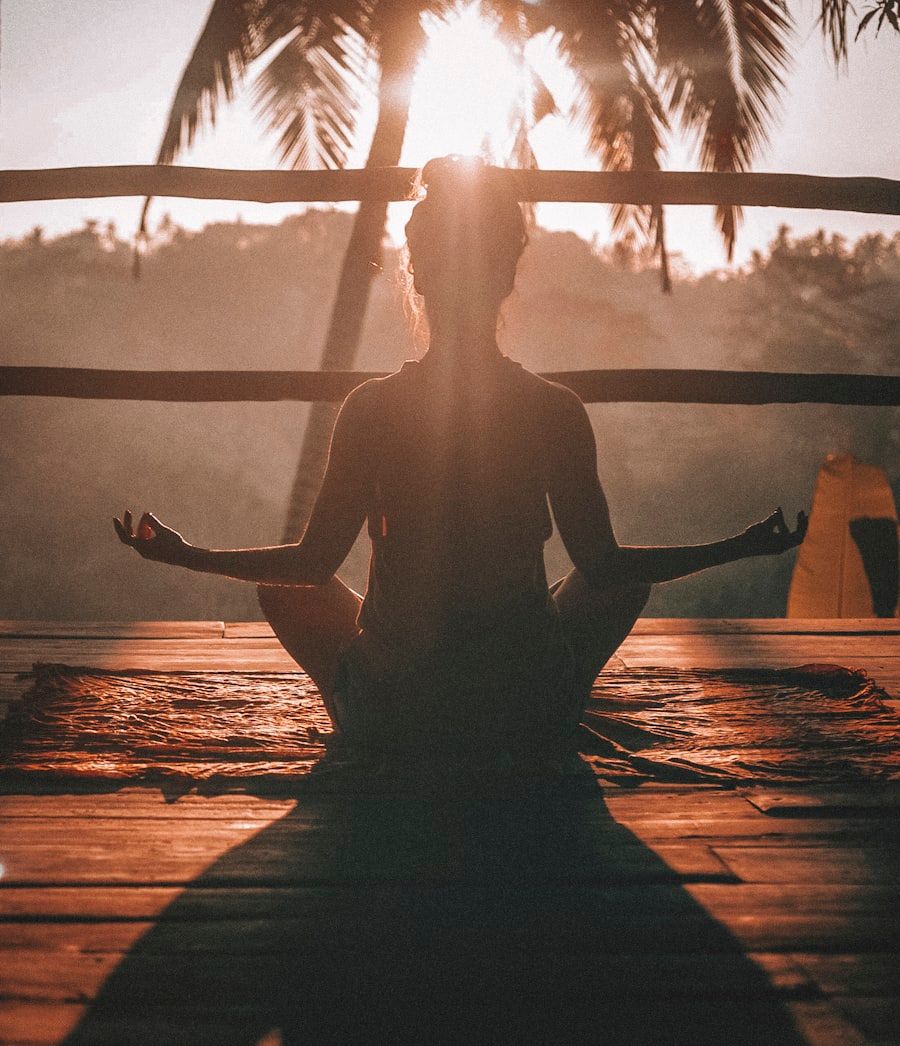
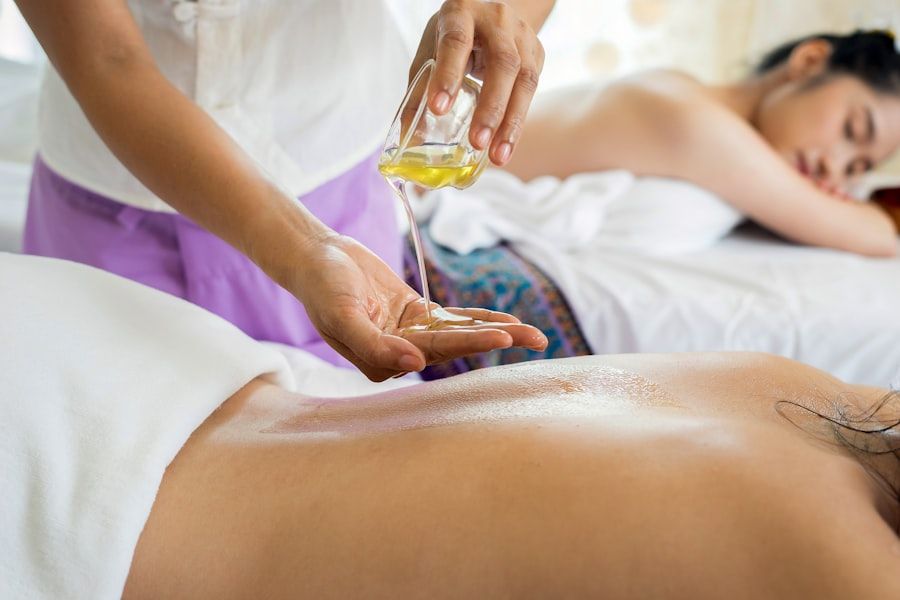
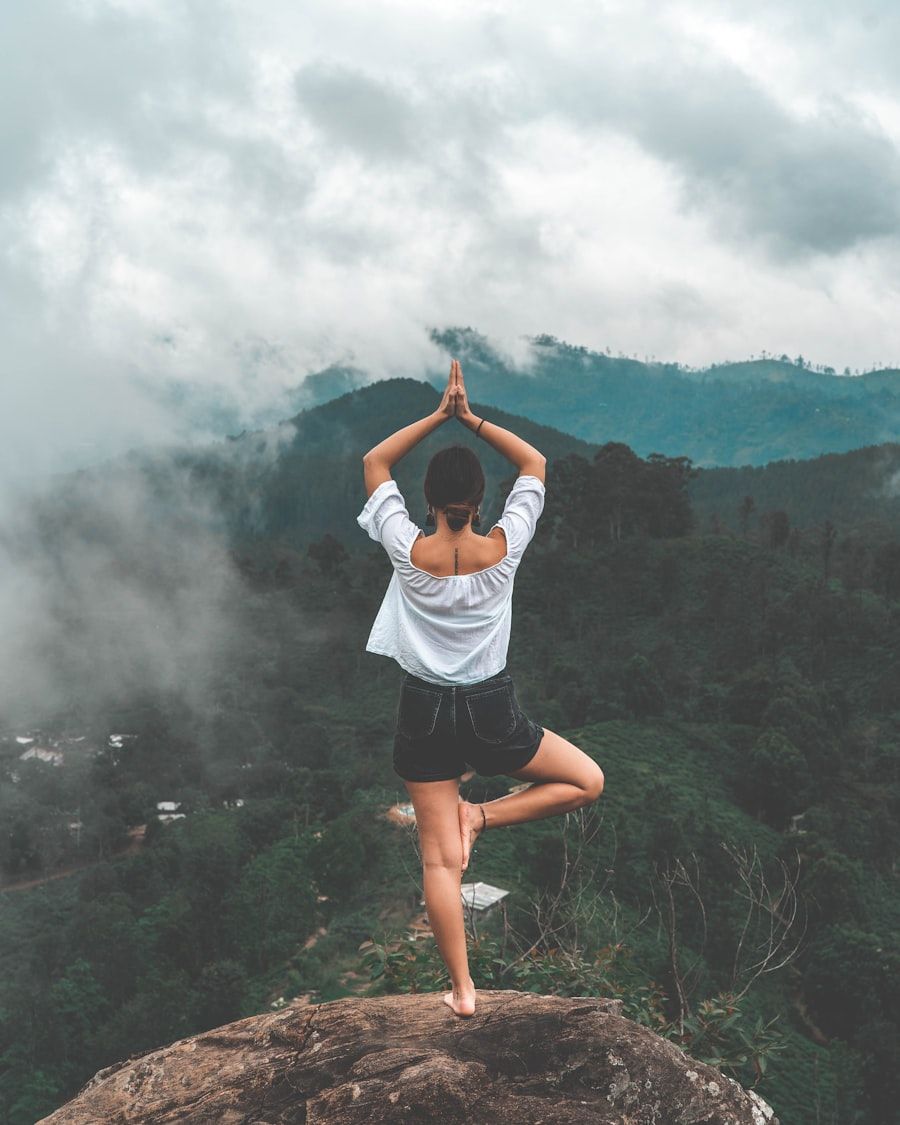
Nepal has been a place of retreat for 2,500 years. Meditate where the Buddha was born, restore with Ayurvedic healing, and greet the Himalayas from a lakeside yoga mat.
Travelers' Stories
“Our guide Pemba read the mountain and the group perfectly — when altitude hit me at Dingboche, the whole plan flexed around my recovery. I stood at Base Camp two days later, crying happy tears.”


Frequently Asked Questions
What is the best time of year to trek in Nepal?
The two main trekking seasons in Nepal are autumn (October–November) and spring (March–May). Autumn offers the clearest mountain views and stable weather; spring brings warmer days and blooming rhododendron forests. Lower-altitude trips like Chitwan safaris and Kathmandu Valley tours run comfortably from October to March, and wellness retreats operate year-round.
How much does an Everest Base Camp trek cost?
Our 14-day Everest Base Camp trek starts at $1,450 per person. That includes Kathmandu–Lukla flights, Sagarmatha National Park and Khumbu permits, teahouse lodging with three meals daily, a licensed Sherpa guide with porters at a 1:2 ratio, and daily oximeter checks with evacuation coordination.
Do I need previous trekking experience for Nepal treks?
Not for every route. The Poon Hill Sunrise Trek (5 days, easy–moderate) is designed as a first Himalayan trek and reaches only 3,210m. Everest Base Camp and the Annapurna Circuit are challenging multi-week treks above 5,000m that require good fitness — we send a fitness preparation brief three months before departure.
How do you handle altitude sickness and acclimatization?
Every itinerary follows acclimatization-first planning: never more than 500m of sleeping-altitude gain per day above 3,000m, with built-in rest days at Namche Bazaar and Manang. Guides carry pulse oximeters and first-aid kits on every departure, check clients daily, and coordinate helicopter evacuation if needed. Comprehensive travel insurance with heli-evacuation cover is required.
Are your guides licensed and local?
Yes. Nature Gateway Nepal is licensed by the Nepal Tourism Board (Reg. 1847/068) and every one of our 28 guides, porters and trip planners is Nepali — Sherpa, Gurung, Tamang and Tharu team members leading in their own home regions. All staff are paid a fair wage and insured.
What is included in the trip price?
Trip prices include permits, lodging, meals as listed, licensed guides, porter support, and ground transfers described in each itinerary. Everest Base Camp treks also include Kathmandu–Lukla flights. International flights, Nepal visa fees, travel insurance and personal gear are not included.
Can you customize an itinerary?
Yes — custom itineraries are our default. We build each trip around your pace, dates, fitness and interests, and adjust on the trail if conditions or your energy change. Tell us what you're dreaming of via the trip planner and a real trip planner in Kathmandu replies within 24 hours.
Is travel in Nepal sustainable with your company?
We keep groups small, use teahouse economies so money stays in mountain villages, follow carry-in-carry-out waste practice, and donate 3% of every booking to fund school supplies in the Solukhumbu region.
Born in the Khumbu,
at home on every trail
Nature Gateway Nepal was founded in 2011 by two Sherpa brothers from Phortse and a Kathmandu-born mountain guide. What began as a three-person outfit running Everest Base Camp treks is now a team of 28 licensed guides, porters and trip planners — every one of them Nepali, every one paid a fair wage and insured.
We keep groups small, trails clean, and a portion of every booking funds school supplies in the Solukhumbu. Tell us what kind of journey you're dreaming of — we'll write back within a day.